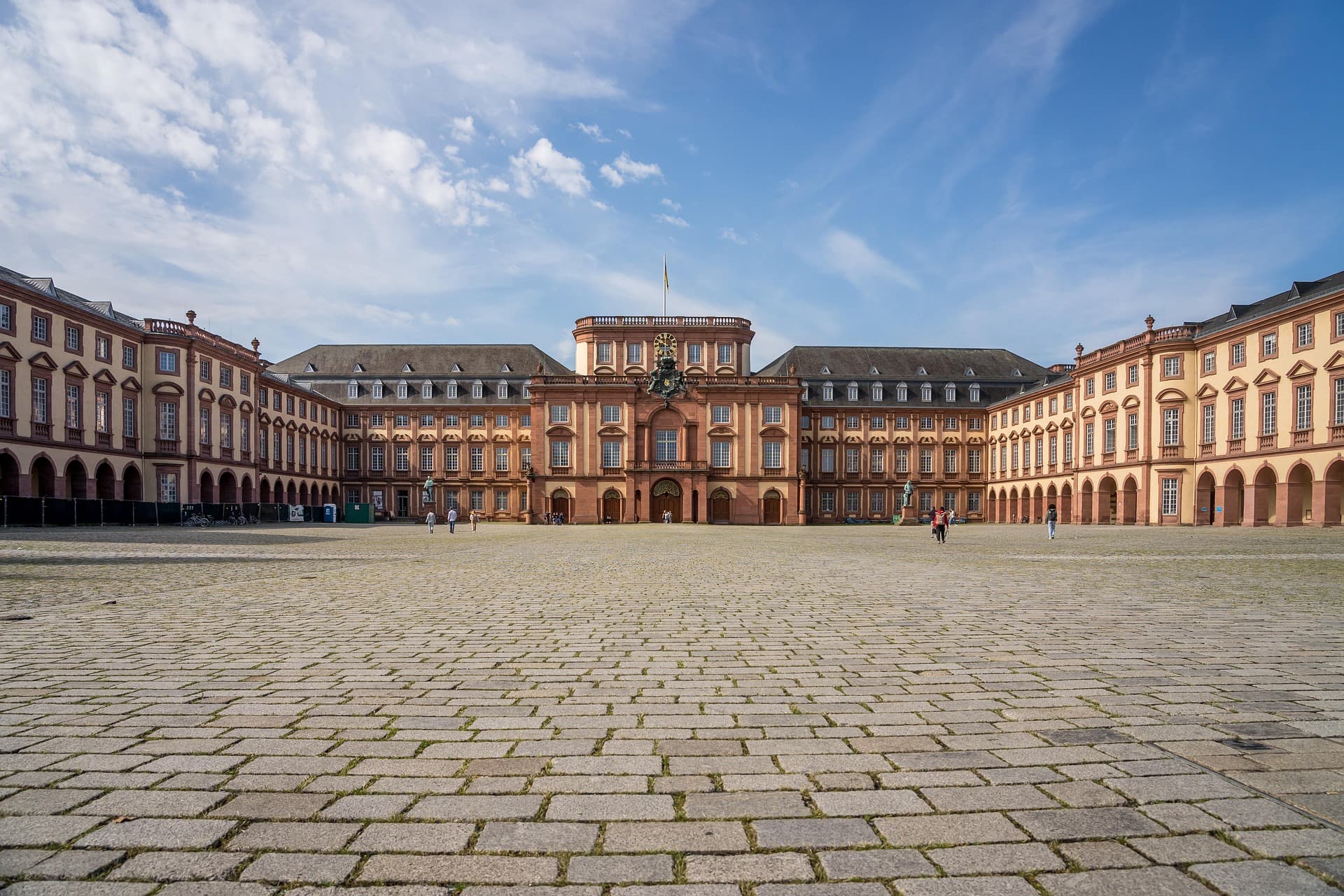
From Belgium to Baden-Württemberg: what we learned in Germany
In May 2026, we took a group of B2B startups from our portfolio to Stuttgart and Heilbronn in Germany for four days of meetings, networking, and market research.
The goal was simple: help startups meet the right people face to face and better understand the German industrial market.
The mission was supported by local partners NXTGN in Stuttgart and Campus Founders in Heilbronn.
Here’s the full debrief.
Two cities, two different ecosystems
Baden-Württemberg is one of the important industrial regions in Germany. Two major drivers of the state economy are centered around Stuttgart and Heilbronn.
Stuttgart — hardware & industry
Stuttgart is strongly focused on manufacturing, robotics, and automotive companies. Big companies like Festo, Bosch, Mahle, Mercedes-Benz, and Toyota Logistics are active there. The city has a very dense industrial network, which makes it easier to meet the right people quickly.
Heilbronn — AI & digital
Heilbronn is becoming an important center for AI and digital technology.
The Schwarz Group is investing heavily in the city. Heilbronn is also home to the IPAI campus, satellite campuses from TUM and ETH, and R&D teams from Audi and Schwarz Digits. The city is growing fast and is definitely one to watch.
What we learned about the market 🇩🇪
The German market offers many opportunities, but there are also challenges to be aware of.
- Innovation Happens Inside Departments
Many companies do not have one central innovation team. Instead, each department has its own challenges, budget, and decision-makers.
To succeed, startups need to identify the department that has the problem they can solve. - Bureaucracy is real
"Fill out this form" is a very common response. Formalized processes are the norm — especially at larger corporates like Festo. Expect paperwork, approvals, and clear procedures before moving forward. - Skip the OEMs (for now)
The automotive industry is under pressure. Tier 1 and Tier 2 suppliers — some with 10K+ employees — are often easier to approach and more open to new solutions than the large OEMs. - IT & workers' councils block deals
Engage IT departments early. And don't underestimate workers' councils — they can kill an implementation before it even starts. - Be careful with cold outreach
Germans take GDPR seriously. Unsolicited cold emails with attachments or cold calls can get you reported. Route in via warm intros instead. - The best routes to market
Partnerships with complementary service providers can open doors. Another effective route is working with innovation managers through corporate venturing programs. When it comes to investment, family offices are often more active than corporate venture funds.
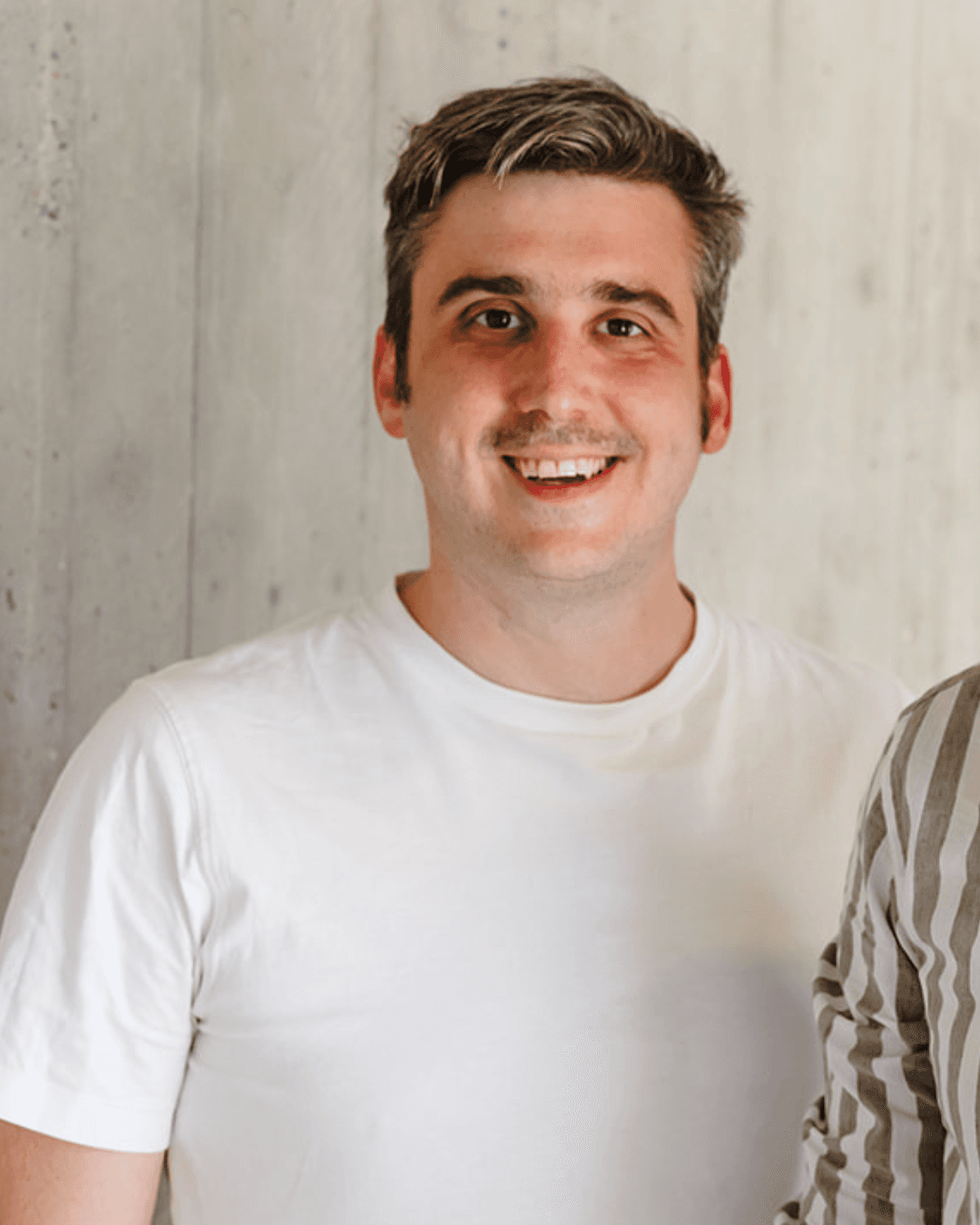
During the mission, Frank met Eric from NXTGN in person, a connection he considers extremely valuable.
As Frank explained, when he now sends a question by email, he knows he’ll get a reply. That's the network. And it's one that simply doesn't get built via SEO or LinkedIn outreach from a distance.
His next step is to return to Baden-Württemberg in 2027 and spend more time in the region. He has also registered for Match Arena, a local pitching event, to continue building visibility and connections.
What’s next
Imec and imec.istart have recently opened a new office in Baden-Württemberg and are actively hiring in the region. This mission was one step in a longer commitment to embedding ourselves — and our portfolio companies — into one of Europe's most important industrial ecosystems.
During the trip, we established new relationships with companies such as Mercedes-Benz, Audi, Mahle, Fraunhofer IPA, regional investors, and ecosystem partners.
And this is only the beginning.
Interested in Germany?
If you're building a startup in automotive, climate and energy, manufacturing, or robotics, and you're interested in exploring the German market, we'd be happy to talk.
Together, we can identify the right first steps for your expansion journey.